By: Maleksabet Ebrahimi
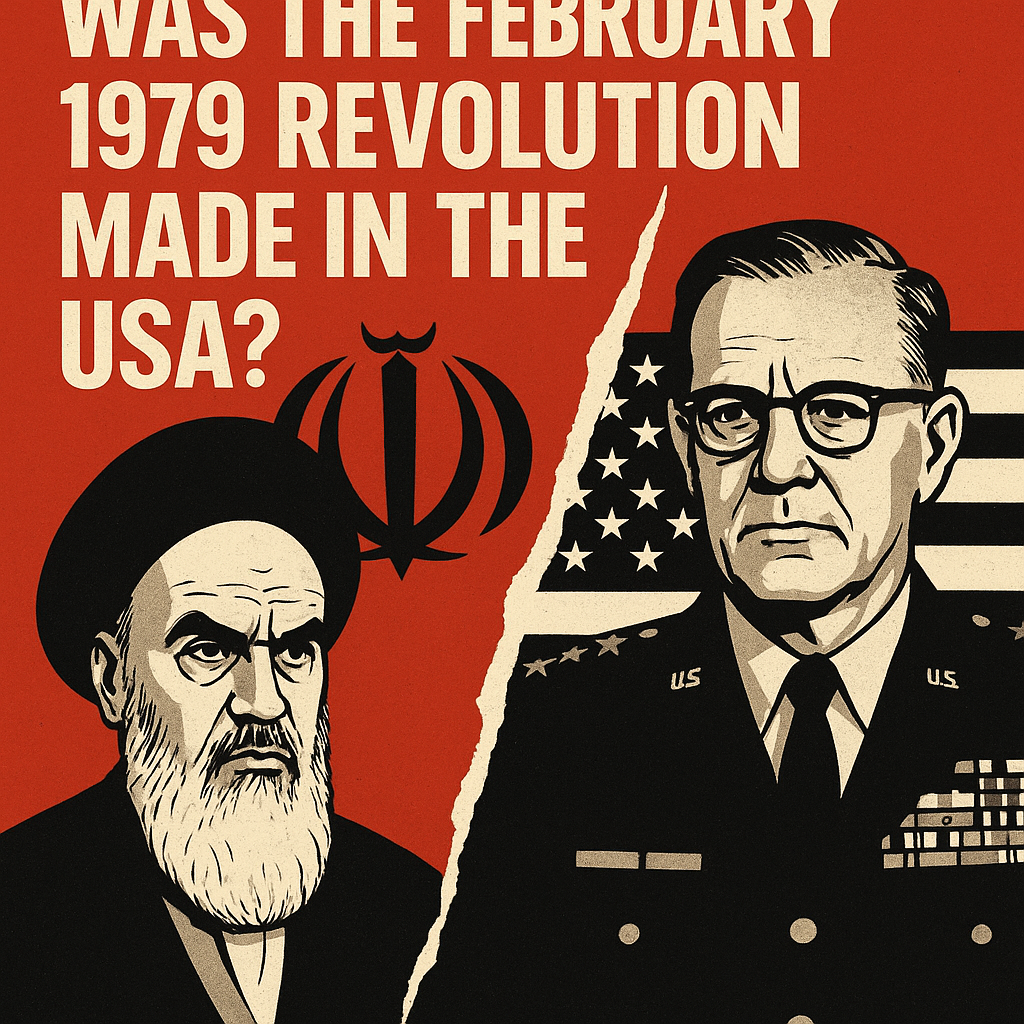
In recent years, alternative and often controversial narratives about the hidden dimensions of Iran’s February 1979 revolution have emerged across media and social networks. These narratives aim to portray the revolution not as a popular uprising but as a scenario orchestrated by foreign powers—particularly the United States. One of these accounts highlights the role of General Robert Huyser and his unofficial contacts with Ayatollah Khomeini’s circle as evidence for this claim.
According to this viewpoint, Huyser’s mission to Iran in January 1979 was intended to weaken the pro-Shah military and to prevent any potential coup. Simultaneously, it is claimed that the U.S. embassy in Tehran, under the coordination of then-Ambassador William Sullivan, was evaluating the political orientations of revolutionary groups to ensure Iran would not drift toward the Eastern Bloc and the Soviet Union. Some analyses go further, suggesting that a tacit understanding was reached between Washington and Khomeini’s associates to safeguard Western interests in the region.
In one of the circulated video clips—which I viewed today—an individual named Dr. Katouzian, reportedly a personal friend of General Huyser, is quoted as saying that the takeover of the U.S. embassy in Tehran was also part of a coordinated scenario with the U.S. government, designed to prevent the return of Mohammad Reza Shah’s frozen assets in the United States. However, these claims remain undocumented and unverified by any official sources and are largely categorized within the realm of conspiracy theories.
From a historical perspective, the 1979 revolution cannot be analyzed solely through the lens of one factor or a single foreign actor. The event was the product of a complex entanglement of deep public discontent, the inefficiencies of the Pahlavi regime, the growing influence of religious forces, and broader global transformations. Undoubtedly, world powers played roles within their capacities to protect their interests in post-Shah Iran—but not to the extent that the entire revolution could be reduced to a master plan devised in Washington, Moscow, or elsewhere.
Simplistic narratives—whether rooted in heroic glorification or sweeping conspiracy—fail to illuminate the historical truth. What we need is a critical, document-based, and analytical approach to better understand one of the most significant turning points in Iran’s modern history.
By: Maleksabet Ebrahimi
Former Diplomat
Thursday, June 5, 2025 – Khordad 15, 1404 (Solar Hijri Calendar)
آیا انقلاب بهمن سال ۵۷ ساخته دست آمریکا بود؟
در سالهای اخیر، روایتهایی متفاوت و گاه جنجالی از پشت پرده انقلاب بهمن ماه ۱۳۵۷ در فضای رسانه ای و شبکه های اجتماعی مطرح شده اند؛ روایت هایی که سعی دارند انقلاب ایران را نه جنبشی مردمی، بلکه محصول سناریویی طراحی شده توسط قدرتهای خارجی، بویژه ایالات متحده آمریکا معرفی کنند. در یکی از این روایت ها، از نقش ژنرال رابرت هایزر و تماسهای غیر رسمی او با اطرافیان آیتالله خمینی به عنوان شاهدی برای این مدعا استفاده شده است.
بر اساس این دیدگاه، سفر هایزر به ایران در دیماه سال ۱۳۵۷ با هدف تضعیف ارتش وفادار به شاه و جلوگیری از کودتای احتمالی آن صورت گرفت. همزمان، گفته میشود سفارت آمریکا با وساطت سفیر وقت آن کشور در تهران، ویلیام سالیوان، در حال ارزیابی تمایلات سیاسی جریانهای انقلابی موجود بود تا از انحراف ایران به سمت بلوک شرق و اتحاد جماهیر شوروی آنزمان جلوگیری کند. در این میان، برخی تحلیل ها ادعا میکنند که میان واشنگتن و اطرافیان آیت الله خمینی، نوعی تفاهم ضمنی برای حفظ منافع غرب در منطقه شکل گرفته بود.
در یکی از ویدئوهای منتشرشده که من امروز آنرا مشاهده نمودم، به نقل از شخصی به نام دکتر کاتوزیان –که گفته میشود دوست شخصی ژنرال هایزر بوده– چنین نقل شده که اشغال سفارت آمریکا در تهران نیز بخشی از سناریوی هماهنگ شده با دولت ایالات متحده بوده تا از بازگرداندن داراییهای محمدرضا شاه در آمریکا جلوگیری شود. با این حال، چنین ادعاهایی تاکنون فاقد سند رسمی و معتبر هستند و بیشتر در چارچوب نظریه های توطئه طبقه بندی و قرار میگیرند.
از منظر تاریخی، انقلاب ۵۷ را نمیتوان صرفاً با یک مؤلفه با یک بازیگر خارجی تحلیل کرد. این رویداد حاصل درهم تنیدگی نارضایتی های عمیق مردم، ساختارهای ناکارآمد رژیم پهلوی، نفوذ فزاینده نیروهای مذهبی، و ضمناً تحولات جهانی بود. بیگمان، قدرتهای جهانی نقشهایی در این میان و در حد خود برای حفظ منافع کشورشان در ایران بعد از سقوط شاه ایفا کردند، اما نه بگونه ای که تمامی روند انقلاب را در اتاقهای فکر واشنگتن یا مسکو یا هر جای دیگر بتوان خلاصه کرد.
روایت های ساده انگارانه، چه از جنس قهرمان سازی مطلق و چه از نوع توطئه باوری تمام عیار، نمیتوانند واقعیت تاریخی را روشن و آنرا منعکس سازند. ما نیازمند نگاهی تحلیلی، انتقادی و متکی بر اسناد هستیم تا درک دقیقتری از یکی از مهمترین تحولات تاریخ معاصر ایران داشته باشیم.
ملکثابت ابراهیمی
دیپلمات پیشین
پنجشنبه پنجم ژوئن 2025 میلادی – پانزدهم خرداد 1404 خورشیدی
Leave a Reply